Business
How to Write a Professional Invoice: What to Include and Why
April 28, 2025 • 5 min read
A clear, well-structured invoice gets paid faster and avoids disputes. Here is exactly what to include, how to number invoices consistently, and what to do when payment is overdue.
Essential information every invoice must contain
At a minimum include: your name or business name and address, the client name and address, a unique invoice number, the date, a clear description of each item, quantity, unit price and line total, the total amount due including any tax, and your payment terms.
How to number invoices consistently
Use a predictable sequence such as the year followed by a running number: INV-2025-001, INV-2025-002. Gaps in the sequence flag missed invoices immediately, and accountants and tax authorities expect a logical series.
Describe your work clearly
Vague line items such as "Services" delay payment because clients or their accounts department must verify what was agreed. Write specific descriptions: "Website redesign, design phase, 14-28 March 2025" gives reviewers what they need to approve promptly.
Create a professional invoice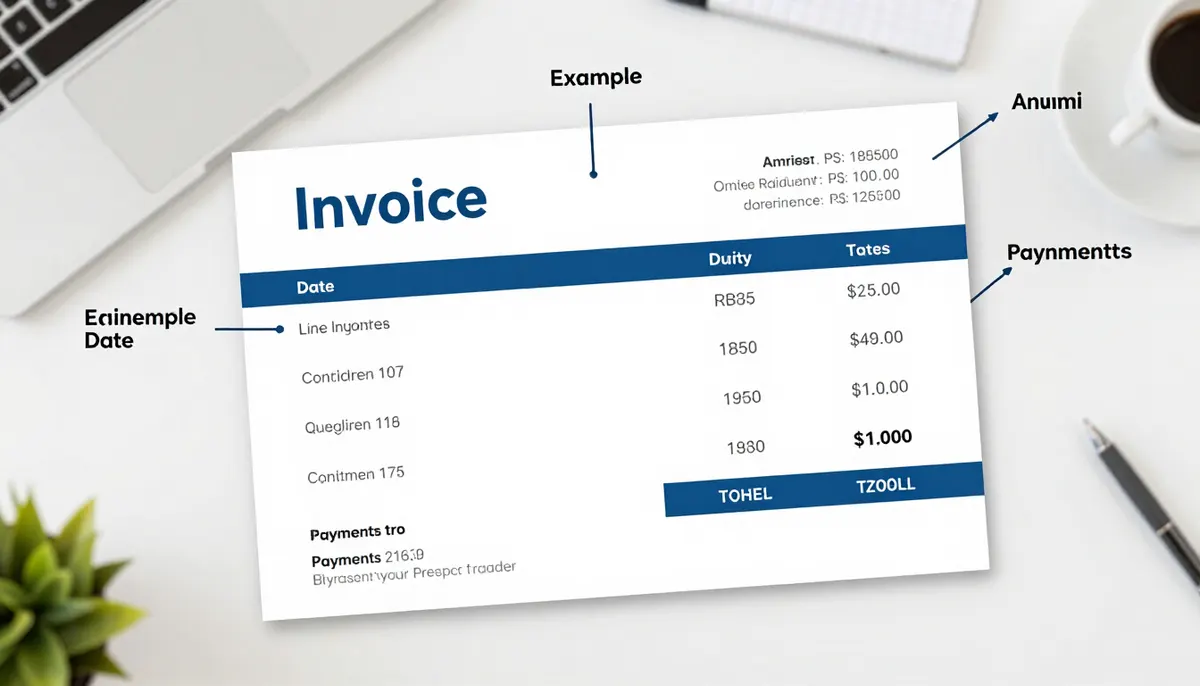
State payment terms explicitly
Include the due date in full: "Payment due 30 days from invoice date" is unambiguous. If you charge late fees, state the percentage and the trigger date. For new clients, shorter terms of 14 days reduce your exposure to slow payers.
Follow up politely and promptly
Send a short reminder the day before the due date and again the day it passes. Most late payments are administrative oversights rather than deliberate delays. A brief, professional message is usually all that is required.
Related Tools
Try these FillAtlas tools alongside this guide.